Nepal Engineering College
Affiliated to Pokhara University
Affiliated to Pokhara University
In Nepal, significant development challenges persist in rural areas due to rural poverty and a low quality of life. Technology, infrastructure, and services are closely interconnected, and together they have a positive impact on the rural economy and quality of life. This has led to a demand for technical professionals who can apply engineering and technology knowledge to rural development.
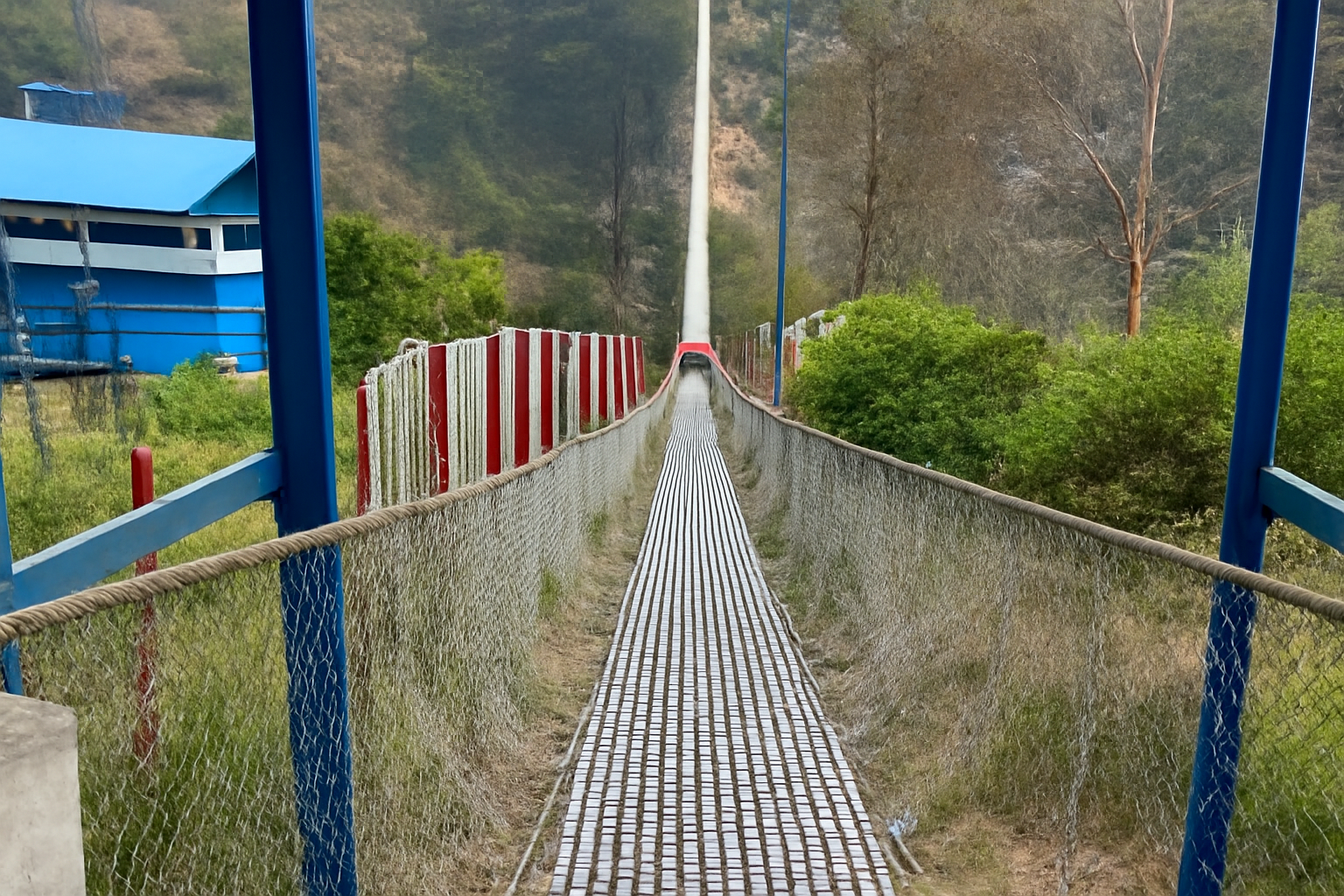
Civil Engineering course is a general type which has subjects like; Irrigation Engineering, Hydropower Engineering, Foundation Engineering, Surveying, Design of Reinforced Structures and Steel Structures and so on. On the other hand, the Civil and Rural Engineering course has been designed incorporating the contents of rural infrastructures and technology without reducing any content of Civil Engineering course. The graduates of Civil and Rural Engineering will have knowledge of rural roads, trail bridges, ropeway, renewable energy, farm structures, mechanization in farming and post harvest technology in addition to the knowledge of Civil Engineering graduates.
The graduates of Civil and Rural Engineering can compete with graduates of Civil Engineering in any sectors; governmental agencies, NGOs, INGOs, construction industry or consulting firms. The graduates of Civil and Rural Engineering will have relatively more knowledge in the areas of rural infrastructures and technology used in rural areas. So they are more suitable for agencies working in rural areas. There are many successful graduates who have competed in the Public Service Commission (Loksewa aayog), Nepal. One of our graduates has been working as Under Secretary (2nd Class officer - upa-sachiv) in the Department of Irrigation. Many graduates are working in the construction industry, INGOs, NGOs etc.
The first batch of Civil and Rural Engineering enrolled in 2008 AD in Nepal Engineering College. Nepal Engineering College was the first institute to initiate this course in order to produce cadres who are able to work in rural areas effectively. Back in 2008 AD the course was designed having nine semesters. In 2018 AD, Pokhara University also initiated this program. Till date only two institutes; Nepal Engineering College and Pokhara University, are offering this course. Till date there are about 300 licensed Civil and Rural Engineers.
Contact: